Model Capabilities
Image-to-Video
Transform a still image into a video by providing a source image along with an optional prompt. The model animates the image content based on your instructions. On grok-imagine-video-1.5, image-to-video supports native 1080p. Sending image alone is image-to-video. Combining it with last_frame, keyframes, or reference_images is reference-to-video with that image as the pinned first frame. See First & Last frame and Keyframes.
You can provide the source image as:
- A public URL pointing to an image
- A base64-encoded data URI (e.g.,
data:image/jpeg;base64,...) - A
file_idfrom the Files API — see Imagine → Files API Integration
The demo below shows this in action; hold to animate a still image:
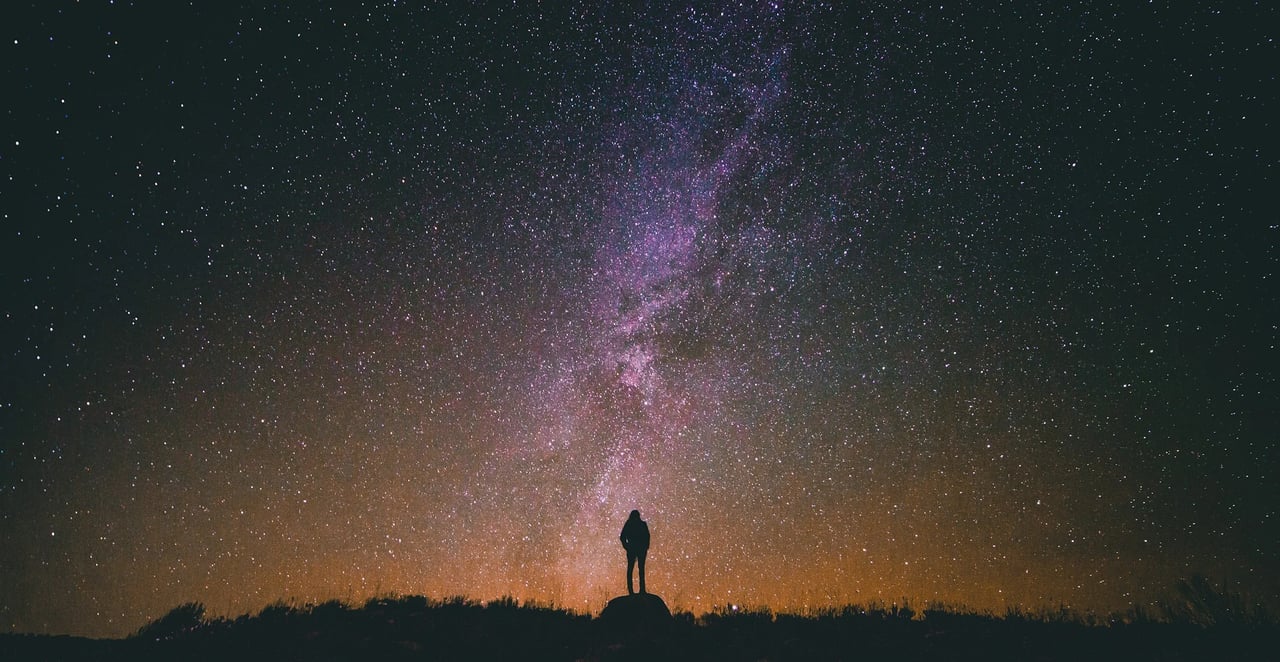
import { xai } from "@ai-sdk/xai";import { experimental_generateVideo as generateVideo } from "ai";const result = await generateVideo({ model: xai.video("grok-imagine-video-1.5"), prompt: { image: "https://docs.x.ai/assets/api-examples/video/milkyway-still.png", text: "Generate a slow and serene time-lapse", }, duration: 12, providerOptions: { xai: { resolution: "720p" }, },});const videoUrl = result.providerMetadata?.xai?.videoUrl;console.log(videoUrl);In the Vercel AI SDK, the prompt parameter accepts an object with image and text fields for image-to-video generation. The image field can be a URL string, base64-encoded string, Uint8Array, ArrayBuffer, or Buffer.
Related
- Video Generation — Generate videos from text prompts
- Reference-to-Video — Guide a video with reference images, or pin the first & last frame
- Model page: grok-imagine-video-1.5
- Videos API — Video generation endpoints
- Video Editing — Edit existing videos
- API Reference — Full endpoint documentation
- Imagine API Landing Page — Showcase of the Imagine API in action
Last updated: September 21, 2026